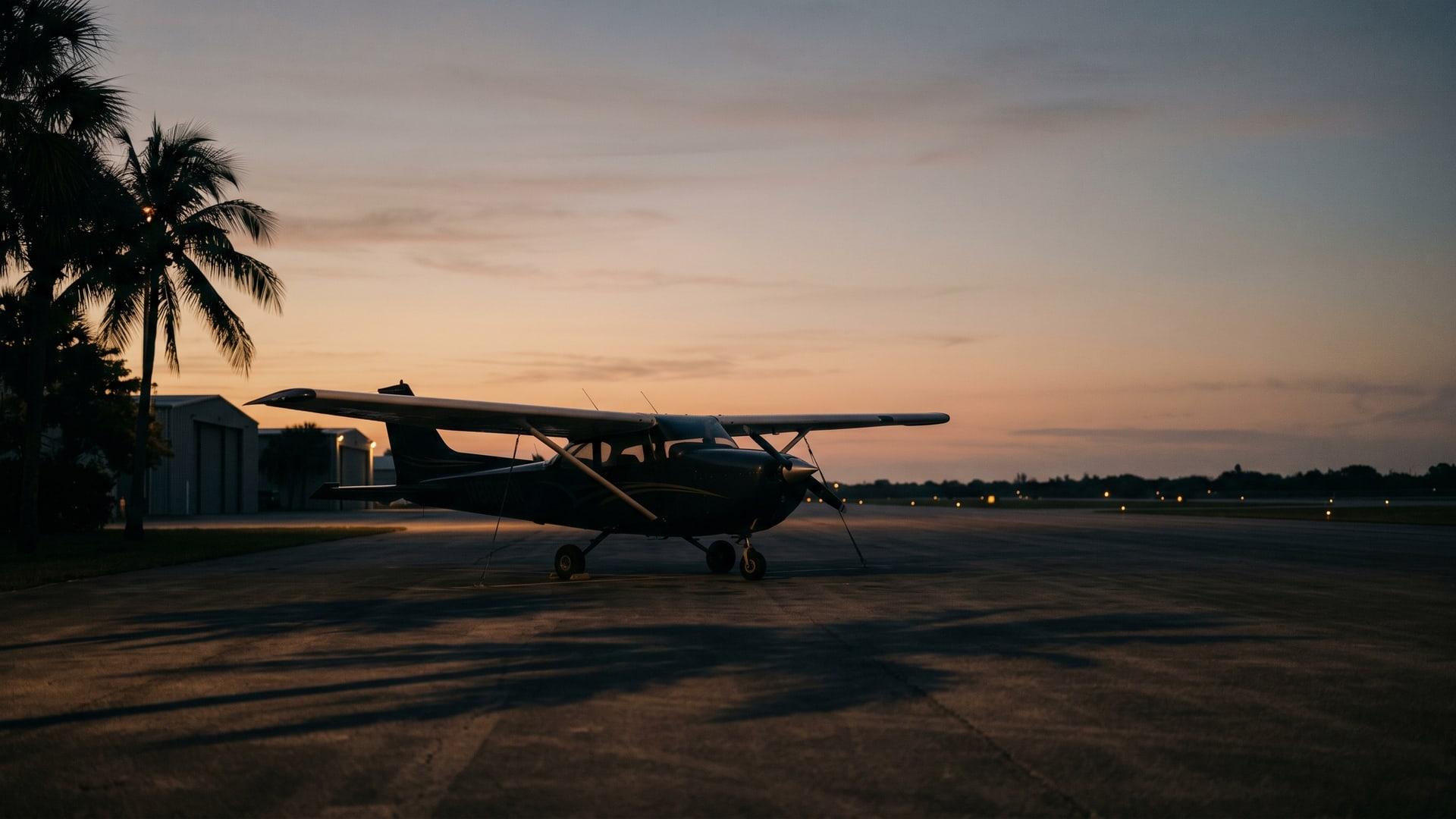
Private Pilot Oral Exam
Textsa · YouTube
Eligibility
- Age: 16 to solo, 17 to take the practical test.
- Medical: at least a current third-class medical, or qualify under BasicMed (held a US medical at any time after July 14, 2006).
- Language: ability to read, speak, write, and understand English (§ 61.103(c)).
- Student certificate: required before solo (apply via IACRA).
Aeronautical knowledge test
60 multiple-choice questions, two hours, 70% to pass. Topics cover regulations, airspace, weather, navigation, aerodynamics, weight & balance, performance, aircraft systems, ADM, and aeromedical factors. Reference: FAA-CT-8080-2H (testing supplement).
Your instructor must endorse you before you sit the test. Most students study with Sporty's, King Schools, Gleim, or Sheppard Air, then take a few mock exams before scheduling at a PSI/IACRA testing center.
Aeronautical experience (Part 61)
40 hours total minimum flight time, of which:
- 20 hours dual instruction (with a CFI), including:
- 3 hours cross-country
- 3 hours night, with one cross-country >100 NM and 10 takeoffs and landings to a full stop at a controlled airport
- 3 hours simulated instrument time
- 3 hours within the preceding 2 calendar months of the practical test (test prep)
- 10 hours solo flight time, including:
- 5 hours solo cross-country
- One solo cross-country of at least 150 NM total, with full-stop landings at 3 points, one leg >50 NM
- 3 takeoffs and landings to a full stop at an airport with an operating control tower
Part 141 schools may certify you with as little as 35 hours under an FAA-approved syllabus. National average is closer to 60–75 hours regardless of regulation path.
Practical test (the checkride)
Two parts conducted on the same day with a Designated Pilot Examiner (DPE):
- Oral exam (~1.5–2 hr): covers everything in the Airman Certification Standards (FAA-S-ACS-6B).
- Flight (~1.5–2 hr): preflight, taxi, takeoff, area maneuvers (stalls, steep turns, slow flight, ground reference), navigation, simulated emergency, short/soft-field operations, landings, and post-flight.
Pass and you walk away with a temporary airman certificate. Plastic comes from the FAA in a few weeks.
What it actually takes
Timeline: 6–12 months part-time is typical. Full-time accelerated programs run 6–10 weeks. Florida weather helps — South Florida averages 340 flyable days per year, which beats the national average by a wide margin.
Cost: nationally $12,000–$18,000 all-in (aircraft rental + instructor + medical + written test + checkride + headset + materials). Owning your aircraft or training in your own plane changes the math significantly.
Training out of KFXE, KPMP, or KHWO?
Ready to start the real thing? Begin with the field you'll fly from.